Nervous System Safety
Why Nervous System Safety Must Come Before Executive Function for AuDHD Adults
Many AuDHD adults spend years trying to fix their productivity, organisation, or motivation. They try new planners, time management methods, productivity apps, and routines. For a while these strategies might seem helpful, but eventually the same struggles return.
Tasks feel impossible to start. Small responsibilities become overwhelming. Focus disappears when it is needed most.
It is easy to believe that the problem is poor discipline or weak executive functioning skills. But for many people with both ADHD and autism, something much deeper is happening.
The nervous system needs to feel safe before the brain can access executive functions.
When the nervous system is overwhelmed, dysregulated, or stuck in survival mode, the brain simply cannot prioritise, plan, or organise effectively. No productivity system can work well in a body that feels unsafe.
Understanding this connection can completely change how AuDHD adults approach work, daily life, and self care.

What Executive Function Actually Does
Executive functions are the mental processes that help us manage daily life. They allow us to plan, start tasks, manage time, shift attention, and regulate emotions.
Some common executive functioning skills include:
• task initiation
• working memory
• organisation
• decision making
• emotional regulation
• time awareness
For many AuDHD adults, these skills can feel inconsistent. One day everything flows smoothly. Another day even small tasks feel impossible to begin.
This inconsistency is often misunderstood. People assume executive functioning is simply about effort or self control. But these abilities depend heavily on the state of the nervous system.
When the body is calm and regulated, the brain has access to higher level thinking. When the body feels threatened or overloaded, the brain shifts into survival mode.
The Nervous System and Survival Mode
The human nervous system constantly scans the environment for signals of safety or danger. This happens automatically and often outside conscious awareness.
When the nervous system detects safety, the body can relax. In this state the brain is able to focus, learn, plan, and connect with others.
When the nervous system detects threat, the body prepares to protect itself. This can activate several responses, including fight, flight, freeze, or shutdown.
These responses are useful in genuinely dangerous situations. But for neurodivergent people, everyday environments can sometimes trigger the same reactions.
Sensory overload, social stress, unpredictability, and pressure can all push the nervous system into survival mode.
When this happens, executive functioning abilities become much harder to access.
A person may want to begin a task but feel mentally blocked. They may struggle to organise their thoughts or remember important steps. They may feel paralysed even when the task is simple.
This is not laziness. It is the nervous system trying to protect itself.
Why AuDHD Adults Experience This So Often
People with both autism and ADHD often have nervous systems that respond more intensely to their environments.
Several factors can contribute to this.
Sensory processing differences are very common. Bright lights, loud sounds, crowded spaces, or uncomfortable textures can create constant background stress.
Many AuDHD adults also spend years masking their natural behaviours in order to fit social expectations. Masking requires significant mental and emotional energy, which can leave the nervous system exhausted.
Unpredictability can also be difficult. Sudden changes in plans or unclear expectations can trigger anxiety and overwhelm.
Over time these experiences can keep the nervous system in a constant state of alertness.
When the body rarely feels safe or relaxed, executive functioning becomes much harder to access consistently.
The Productivity Trap
Because executive functioning challenges are so visible, many AuDHD adults focus all their energy on trying to fix productivity.
They search for better planners, stricter routines, or more discipline.
Unfortunately this approach often ignores the role of the nervous system.
Trying to force productivity when the nervous system is dysregulated can actually increase stress. The more pressure someone places on themselves, the more the body may respond with shutdown or avoidance.
This creates a painful cycle.
A task feels overwhelming.
The person criticises themselves for not starting.
Stress increases.
Executive functioning becomes even harder to access.
Breaking this cycle requires a different starting point.
Instead of focusing only on productivity, it helps to begin with nervous system safety.
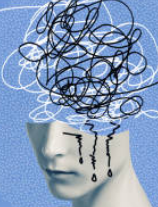
What Nervous System Safety Looks Like
Nervous system safety does not mean that life is always calm or predictable. It means that the body has regular opportunities to return to a state of regulation.
For AuDHD adults, this often involves paying attention to sensory needs, energy levels, and emotional signals.
Some people find regulation through movement. Walking, stretching, or gentle exercise can help release built up stress from the body.
Others benefit from sensory supports. Noise cancelling headphones, comfortable clothing, or soft lighting can reduce sensory overload.
Predictable routines can also create a sense of stability. Knowing what to expect during the day helps the nervous system relax.
Connection with safe people can be another powerful regulator. Feeling understood and accepted reduces the pressure to mask constantly.
These small supports may seem unrelated to productivity, but they create the conditions that allow executive functions to work.
Regulation Before Productivity
When the nervous system begins to feel safer, many AuDHD adults notice that tasks become easier to start.
This does not happen because they suddenly gained more discipline. It happens because the brain is no longer stuck in survival mode.
Regulation can look different for everyone, but a few simple practices can help before starting demanding tasks.
Pause and check in with the body. Notice signs of tension, overwhelm, or fatigue.
Take a few minutes to regulate. This might mean stepping outside for fresh air, stretching, listening to calming music, or using a favourite sensory object.
Break tasks into smaller steps. Large tasks can feel threatening to a dysregulated nervous system. Smaller steps feel more manageable.
Allow flexibility. Some days the brain will have more capacity than others. Productivity does not have to look the same every day.
These practices are not shortcuts or avoidance. They are ways of supporting the nervous system so the brain can function more effectively.
Reframing Executive Function Struggles
For many AuDHD adults, learning about the nervous system can bring a sense of relief.
Struggles with organisation or task initiation are often interpreted as personal failure. But in many cases they are signals that the nervous system needs support.
When someone is overwhelmed, the most helpful response is not more pressure. It is more safety.
This shift in perspective encourages self compassion. Instead of asking, “Why can’t I just do this?” a person might ask, “What does my nervous system need right now?”
That question often leads to more sustainable solutions.
Building a Life That Supports Regulation
Long term change often comes from adjusting environments rather than constantly pushing against them.
This might include setting boundaries around sensory input, building more recovery time into the day, or choosing work environments that allow flexibility.
Many AuDHD adults thrive when they are able to structure their lives in ways that respect their neurological needs.
Regulation does not eliminate executive functioning challenges completely. But it can make those challenges far easier to manage.
When the body feels safer, the brain has more access to focus, creativity, and problem solving.

Safety First, Then Strategy
Productivity tools and executive functioning strategies can still be helpful. Planners, reminders, and visual task boards work well for many people.
But these tools are most effective when the nervous system is supported first.
Safety allows the brain to access the skills that productivity systems rely on.
For AuDHD adults, the order matters.
First create conditions where the nervous system can relax.
Then introduce strategies that support planning and organisation.
This approach recognises an important truth.
You cannot force executive function in a body that feels unsafe.
But when the nervous system is supported, the brain often becomes far more capable than people ever realised.
Socials: