
Why Masking Is Exhausting
Why Masking Is Exhausting
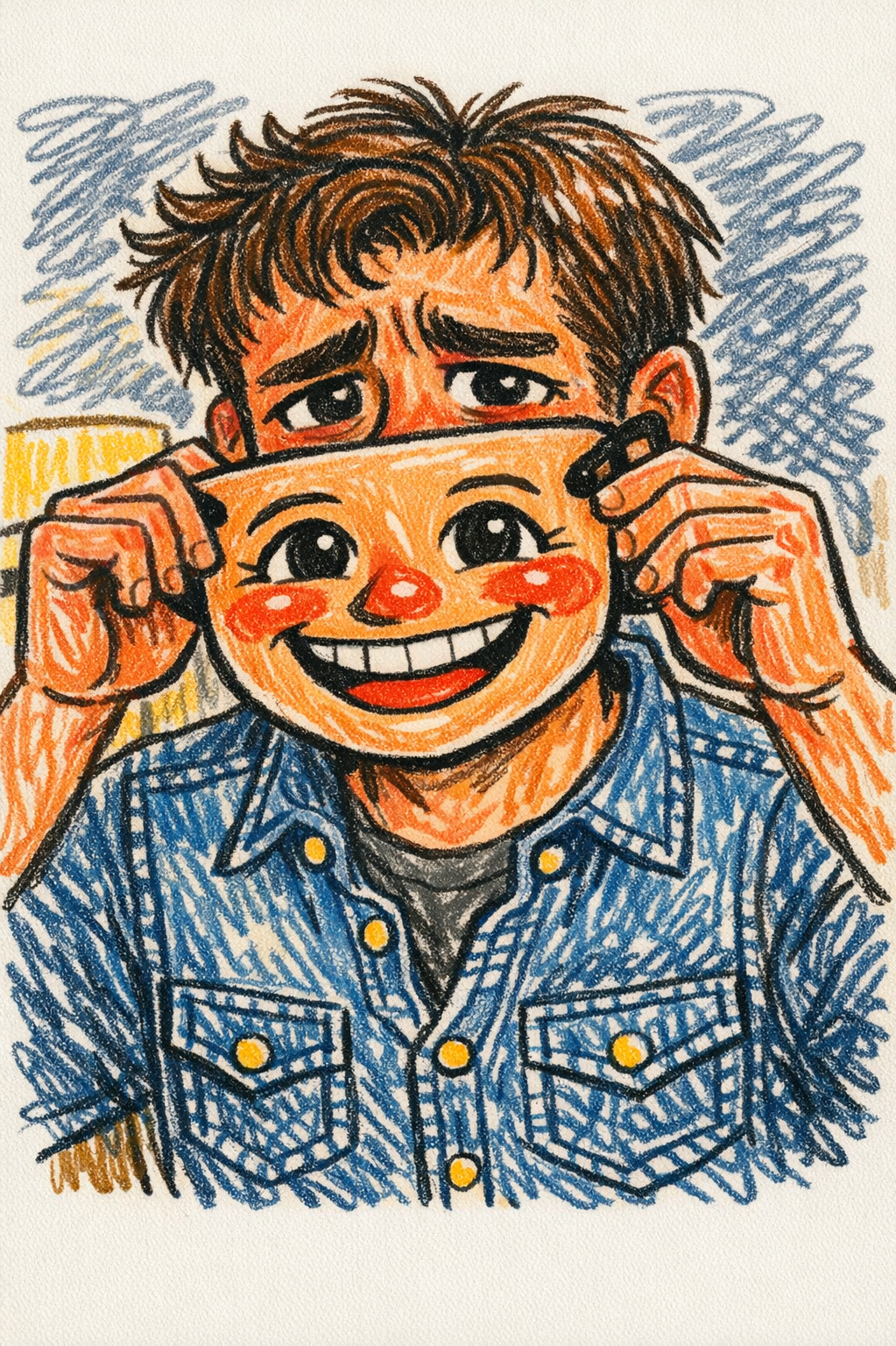
Many neurodivergent people spend a large part of their lives trying to appear “normal.” They learn to hide behaviours, suppress natural reactions, and copy the social behaviour of others. This process is commonly known as masking.
Masking can help people navigate social situations, workplaces, or school environments that are not designed for neurodivergent minds. However, it often comes at a very high cost.
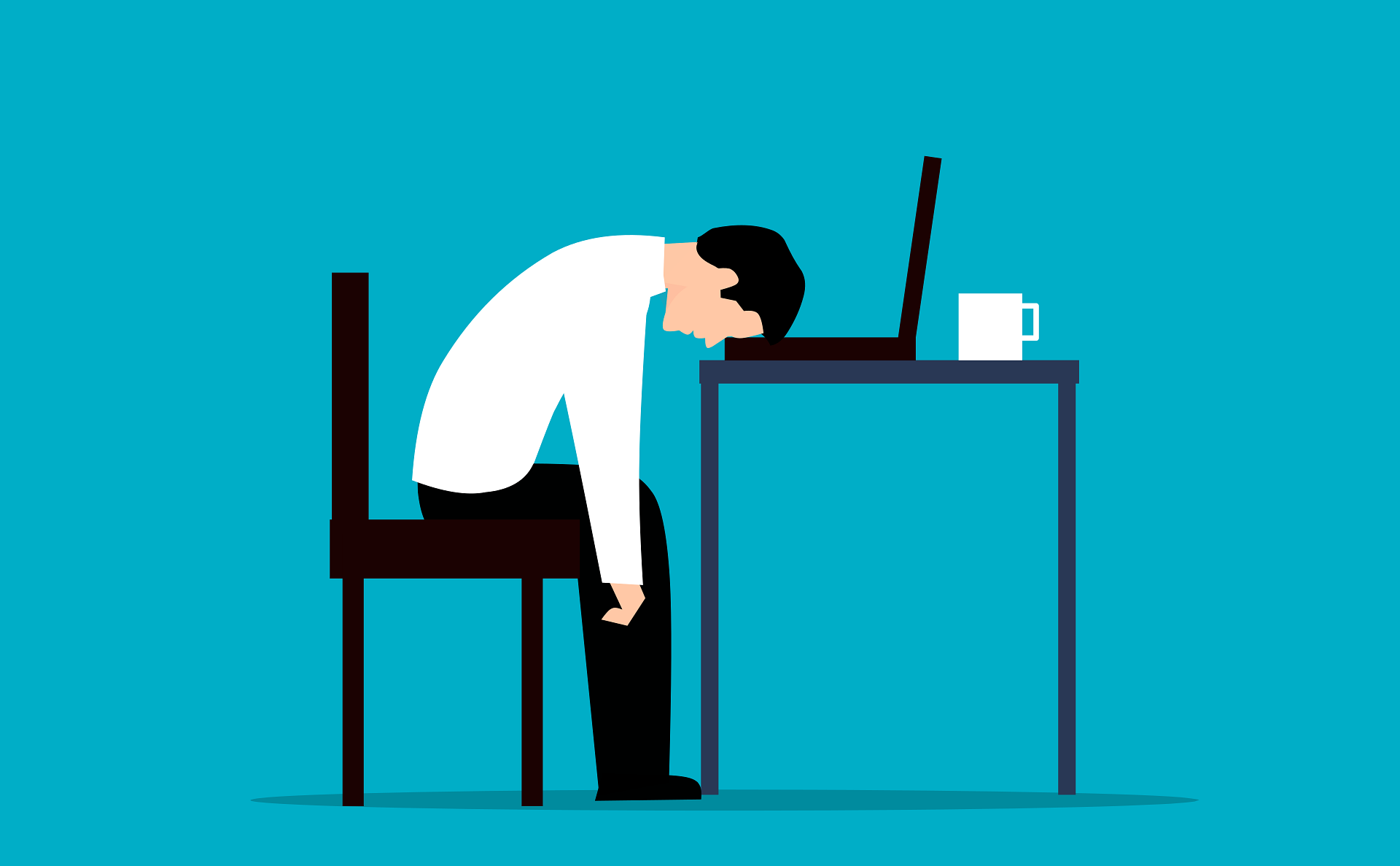
For many autistic people, people with ADHD, and other neurodivergent individuals, masking is deeply exhausting. It requires constant mental effort, emotional control, and self monitoring.
Over time this can lead to burnout, anxiety, and a sense of losing connection with who you really are.
Understanding masking and its impact is an important step towards building environments where neurodivergent people can feel safe to be themselves.
What Is Masking?
Masking refers to the process of hiding or suppressing natural neurodivergent traits in order to fit social expectations.
Many neurodivergent people learn masking behaviours early in life, often without even realising they are doing it.
Examples of masking might include:
• forcing eye contact even when it feels uncomfortable
• copying other people's body language or facial expressions
• suppressing stimming behaviours such as fidgeting or rocking
• rehearsing conversations before speaking
• hiding sensory overwhelm
• pretending to understand social cues when you do not
For some people masking becomes so automatic that they no longer realise how much effort it takes.
To others they may appear confident and socially comfortable, yet internally they may be using enormous amounts of energy just to keep up.
Why Do Neurodivergent People Mask?
Masking usually develops as a response to social pressure.
Many neurodivergent people grow up receiving messages that their natural behaviour is wrong or unacceptable.
They may be told to:
• stop fidgeting
• make eye contact
• speak more clearly
• sit still
• behave “normally”
• try harder to fit in
Over time people learn that masking can reduce negative reactions from others.
Masking may help someone:
• avoid bullying
• avoid criticism
• avoid standing out
• succeed at school or work
• feel socially accepted
For children especially, masking can become a survival strategy.
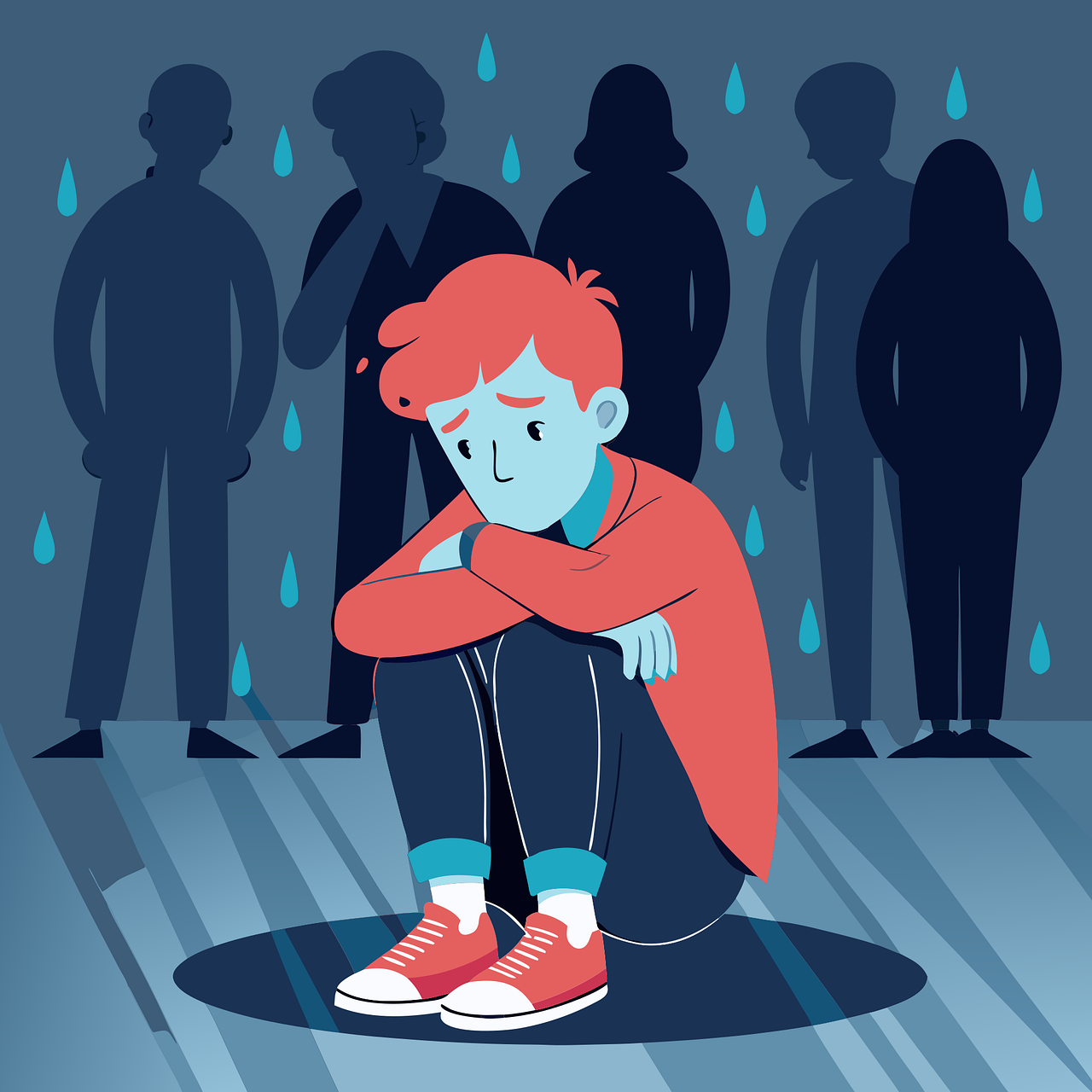
If a child is repeatedly corrected or misunderstood they may begin to hide their natural responses in order to feel safe.
Unfortunately this strategy often continues into adulthood.
The Mental Effort Behind Masking
One of the main reasons masking is exhausting is the amount of mental processing involved.
Many social interactions that seem automatic for neurotypical people require conscious analysis for neurodivergent individuals.
Someone who is masking might be constantly thinking:
• Am I making enough eye contact?
• Did that joke make sense?
• What facial expression should I use?
• Did I talk too much?
• Was that response appropriate?
• Should I say something now or stay quiet?
This constant monitoring creates a heavy cognitive load.
Imagine trying to perform complex calculations while also holding a conversation. That is similar to what masking can feel like.
The brain is doing multiple layers of processing at once.
After a full day of social interaction many neurodivergent people feel completely drained.
Emotional Suppression Takes Energy
Masking is not only about behaviour. It often involves suppressing genuine emotions and reactions.
For example someone experiencing sensory overload might feel overwhelmed by noise, lights, or crowded spaces. Instead of expressing this discomfort they may force themselves to appear calm.
A person who is anxious or confused in a conversation may hide those feelings and pretend they understand.
Suppressing emotions requires enormous emotional energy.
It also prevents people from receiving the support they might need.
Over time this emotional suppression can lead to increased stress and anxiety.
The Impact of Sensory Overload
Many neurodivergent people experience heightened sensory sensitivity.
Sounds, lights, textures, smells, and movement can be far more intense than they are for others.
When someone is masking they may try to hide sensory discomfort rather than responding naturally.
For example they may:
• tolerate loud environments even when overwhelmed
• avoid using headphones or sensory aids
• remain in crowded spaces despite discomfort
• force themselves to maintain focus despite sensory distractions
Holding in sensory distress while trying to appear calm adds another layer of exhaustion.
It is similar to trying to concentrate on a conversation while standing next to a loud alarm.
Eventually the brain simply runs out of energy.
Masking and Burnout
Long term masking can lead to something known as neurodivergent burnout.
Burnout is a state of intense physical, emotional, and mental exhaustion.
People experiencing burnout may notice:
• extreme fatigue
• difficulty concentrating
• reduced tolerance for sensory input
• increased anxiety or depression
• withdrawal from social situations
• loss of skills they previously managed
Many neurodivergent adults report that years of masking contributed to severe burnout.
The constant effort required to appear “normal” becomes unsustainable.
Eventually the body and mind need rest.
Burnout is not a sign of weakness. It is often the result of long term pressure to hide one’s true self.
Masking and Identity
Another hidden impact of masking is the effect it can have on identity.
When someone spends years adapting their behaviour to meet other people's expectations they may begin to question which parts of themselves are authentic.
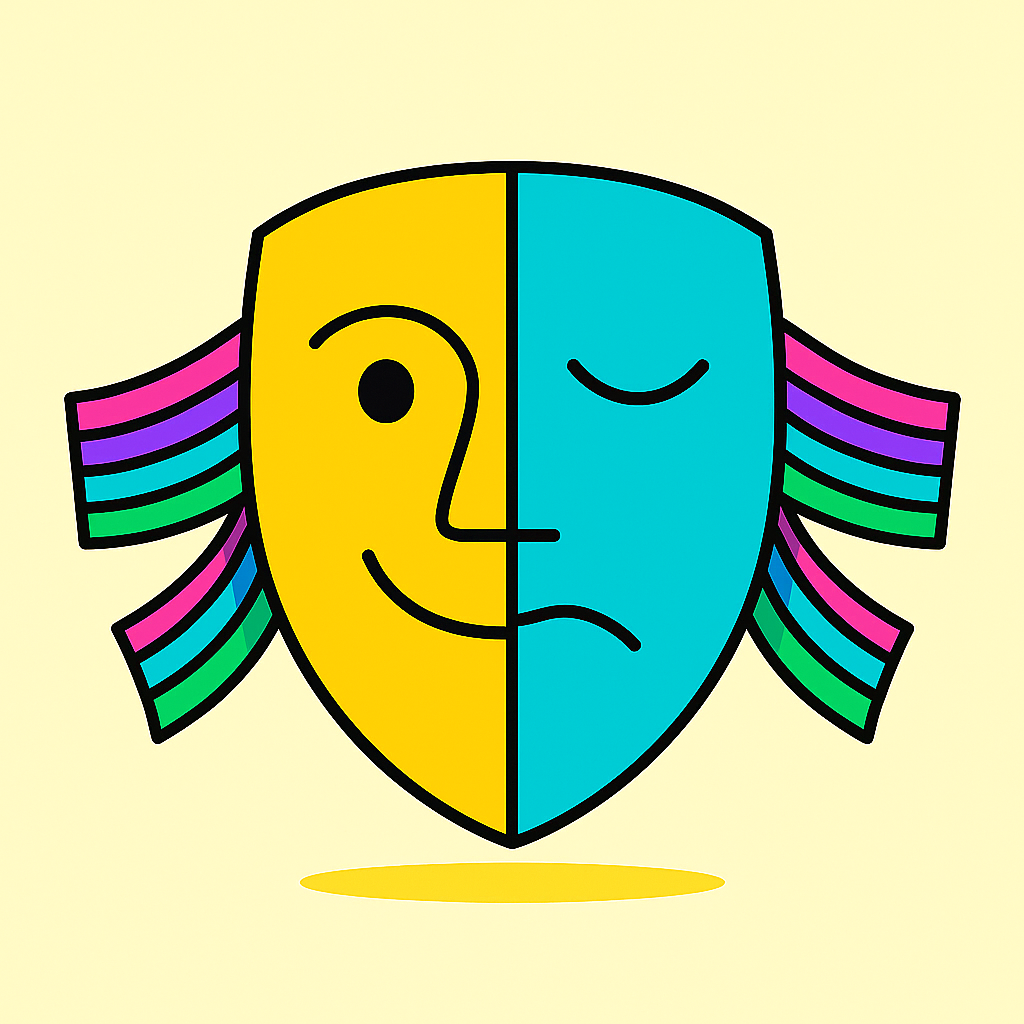
Some neurodivergent adults describe feeling like they have multiple versions of themselves.
There may be:
• the professional version at work
• the social version with friends
• the quiet version at home
• the masked version in public
Over time it can become difficult to know which behaviours reflect genuine preferences and which ones are simply part of the mask.
This can create feelings of confusion, disconnection, or imposter syndrome.
Learning to reconnect with one's authentic self can be an important part of healing from long term masking.
Why Masking Often Goes Unnoticed
Masking can make neurodivergent traits less visible to others.
Someone who appears socially confident may still be struggling internally.
Because the effort is hidden, teachers, employers, and even family members may not realise how difficult everyday interactions are.
This is particularly common among autistic girls and women, who are often socialised to observe and copy social behaviour more closely.
As a result many people receive diagnoses later in life.
The ability to mask does not mean someone is not struggling. It simply means they have learned to hide that struggle.
The Cost of Constant Self Monitoring
Self monitoring is a major component of masking.
A person who is masking may be constantly evaluating their behaviour in real time.
This can include:
• analysing tone of voice
• adjusting body language
• monitoring facial expressions
• checking whether responses sound appropriate
• reviewing conversations afterwards
This level of self awareness requires significant mental energy.
Instead of being able to relax and enjoy a conversation the brain is operating like a social performance monitor.
Over time this constant monitoring contributes to fatigue and stress.
Creating Safer Spaces for Authenticity
One of the most helpful ways to reduce the pressure of masking is to create environments where neurodivergent people feel safe to be themselves.
This can include small but meaningful changes.
For example:
• allowing people to stim without judgement
• respecting different communication styles
• providing sensory friendly spaces
• reducing pressure for constant eye contact
• offering clear communication rather than relying on subtle cues
When people feel accepted they no longer need to spend as much energy hiding their natural behaviour.
This can dramatically reduce stress and exhaustion.
Supporting Children Who May Be Masking
Children often learn masking behaviours very early.
Parents and educators can help by creating environments where differences are respected rather than corrected.
Supportive strategies include:
• validating children's experiences and emotions
• encouraging self expression
• allowing movement and sensory tools
• teaching emotional awareness
• focusing on strengths rather than deficits
When children grow up feeling accepted they are less likely to develop harmful levels of masking.
They learn that their brain is simply different, not wrong.
Learning to Unmask
For many neurodivergent adults, learning to unmask can be a gradual and sometimes emotional process.
Unmasking does not necessarily mean abandoning all social adaptation. Instead it means reducing the pressure to hide natural traits at all times.
This might include:
• allowing yourself to stim when it helps regulation
• setting boundaries around social time
• taking sensory breaks
• communicating needs openly
• spending time with people who accept you as you are
Unmasking can bring a sense of relief and authenticity.
It allows people to conserve energy rather than constantly performing.
Moving Towards Understanding and Acceptance
Masking exists because society often expects people to behave in very specific ways.
When environments become more inclusive, the need for masking decreases.
Understanding the impact of masking helps us recognise that many neurodivergent people are carrying invisible effort every day.
By creating spaces that value different ways of thinking, communicating, and experiencing the world we can reduce that burden.
Everyone deserves to feel safe being themselves without the constant pressure to hide who they are.
Final Thoughts
Masking can help people navigate environments that are not designed for neurodivergent minds. However, the cost of constant masking is often exhaustion, stress, and burnout.
Recognising the effort behind masking allows us to respond with empathy and support.
Whether you are neurodivergent yourself, a parent, educator, or ally, understanding masking is an important step toward creating a more accepting world.
When people are able to show up as their authentic selves they are far more likely to thrive.
And that is what true inclusion looks like.
If you’re a neurodivergent adult navigating work, you don’t have to do it alone. I help people access free workplace support through UK schemes, and offer bespoke coaching designed specifically for neurodivergent minds.
You can also book brain-dumping sessions, body-doubling support, or join Flourish Membership for daily help with executive functioning.
If you prefer self-paced support, explore my workbooks and tools on Etsy designed to make work and life feel more manageable.
My socials are: