
Neurodiversity Coaching & Support Services | Children & Teens
Flexible, compassionate coaching tailored to children, teenagers and parents.
Book a free 20-minute First Step Call to talk through your situation and find out if coaching is the right fit for you.
Areas we can explore...

Emotional Regulation
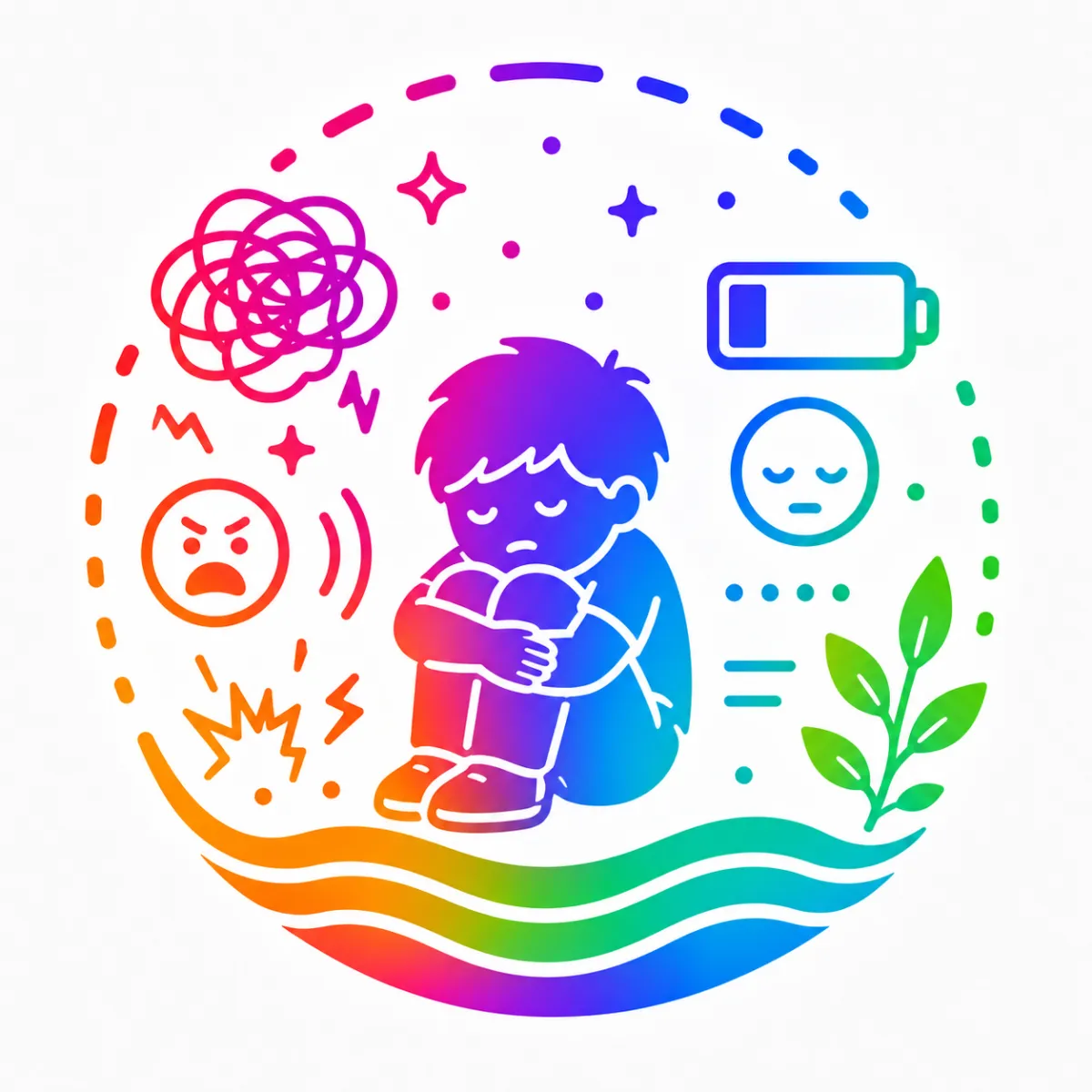
Meltdowns/Shutdowns
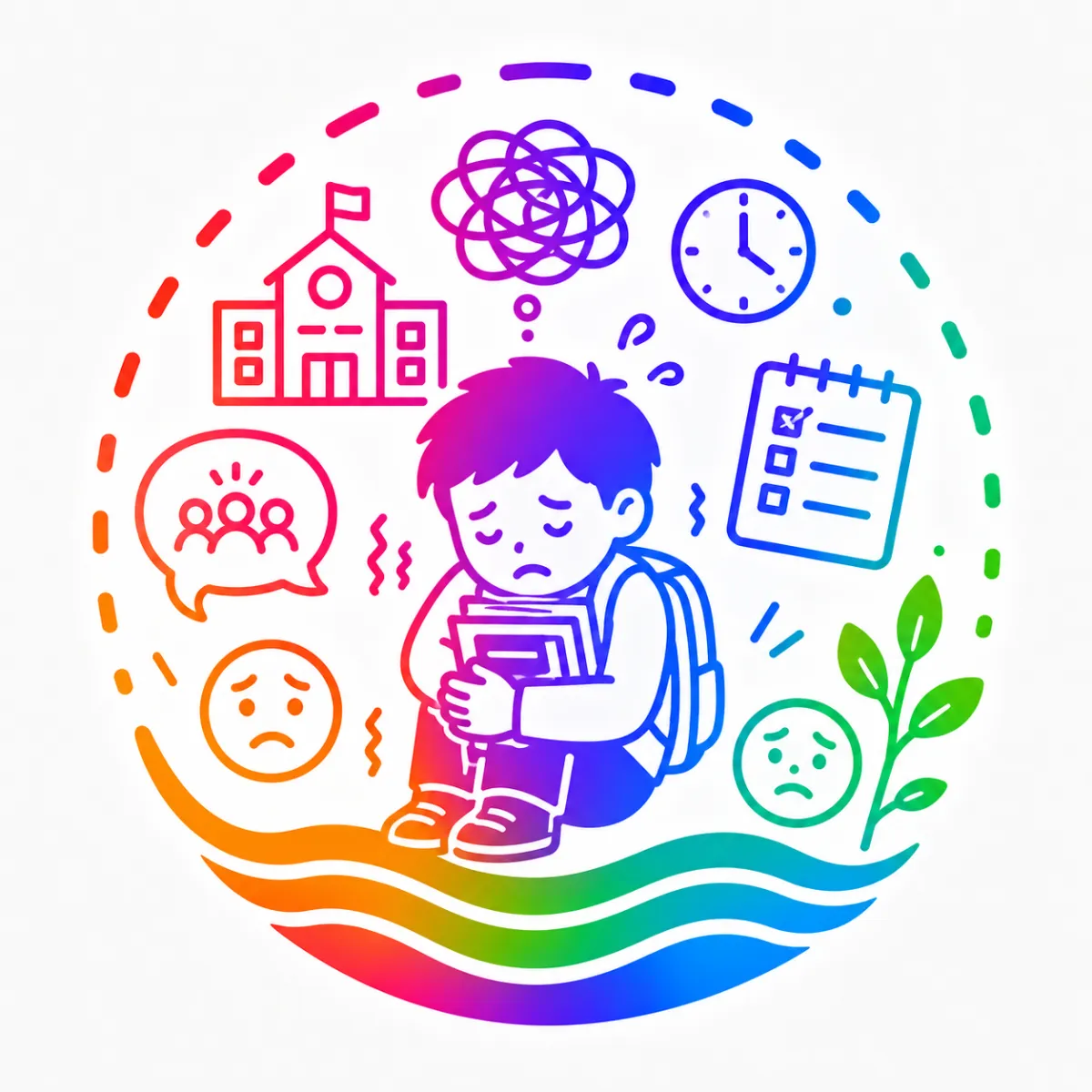
School Anxiety

Sensory Profiles & Strategies

Executive Function Support

Friendships & Social Understanding

Neurodivergent Identity

Self-Esteem

Transitions & Change

Routines, Sleep & Daily Life

Parent Coaching & Support
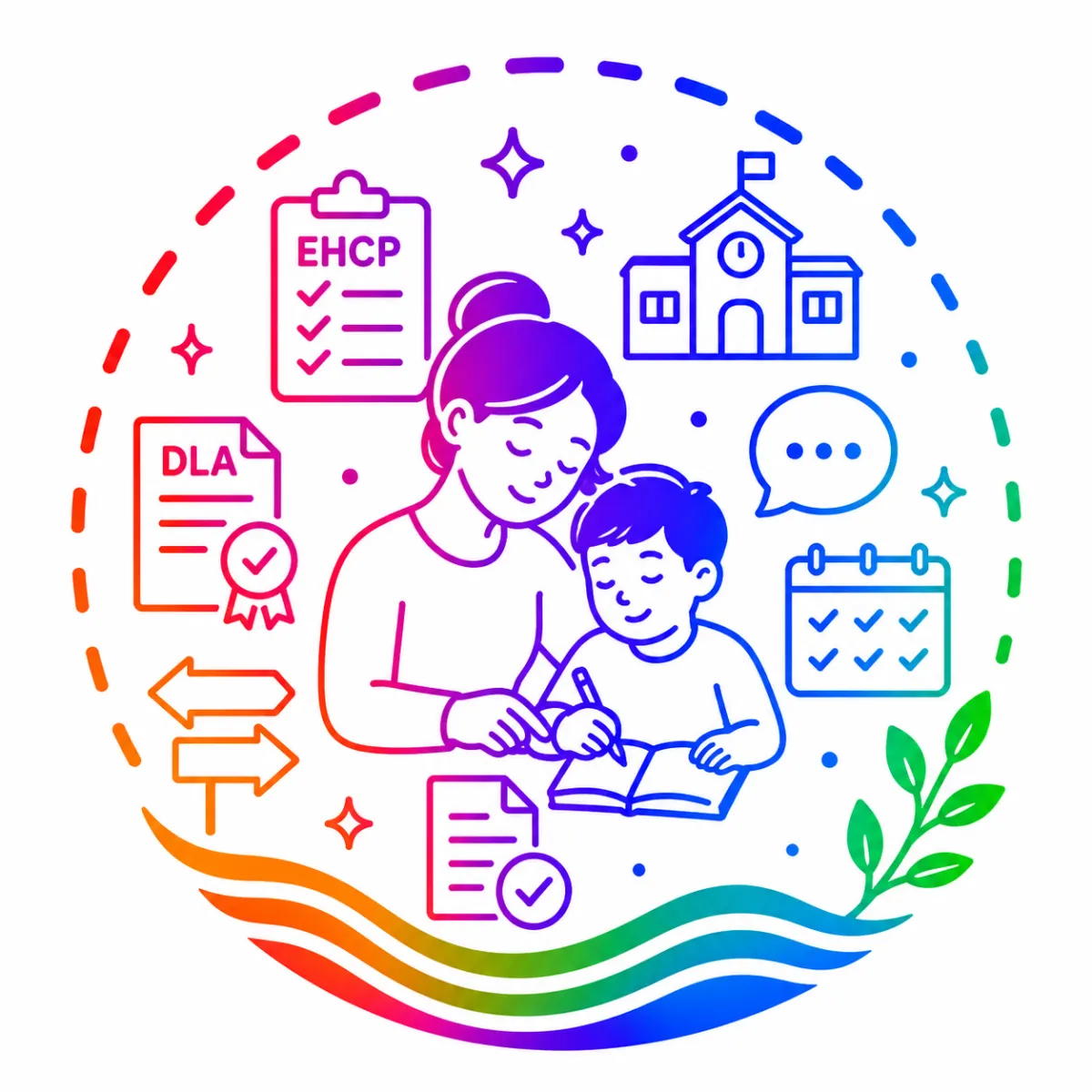
EHCP, DLA & School Support
Frequently Asked Questions
What age range do you support?
Flourish supports children and young people where our coaching, mentoring or parent/carer support is appropriate for their age, needs and circumstances. However, we do consider working with children aged 6+
The exact support offered will depend on the child or young person’s developmental stage, communication preferences, support needs, level of risk, and whether we have a suitable practitioner available. Some children benefit from direct 1:1 support, while others may be better supported through parent/carer consultation, family support, or school-focused strategies.
We will talk this through with you during the discovery call and let you know honestly whether Flourish is the right fit.
Can my child access support without a diagnosis?
Yes. A formal diagnosis is not required to access Flourish support.
Many children and young people come to us because they are exploring neurodivergence, waiting for assessment, have identified traits, or need support with things like emotional regulation, confidence, executive functioning, sensory needs, school-related stress, communication or self-understanding.
Flourish does not diagnose ADHD, autism, dyslexia or any other condition. Our support is practical, neurodiversity-affirming and strengths-based, whether or not your child has a diagnosis.
What is the difference between child coaching, parent coaching and therapy?
Child coaching is practical, age-appropriate support for the child or young person. It may focus on areas such as confidence, emotional regulation, routines, sensory needs, communication, self-advocacy, school-related challenges or understanding their neurodivergent profile.
Parent coaching is support for parents or carers. It helps you better understand your child’s needs and explore practical, compassionate strategies that may support home life, school communication and family wellbeing.
Therapy is different. Therapy usually focuses on mental health treatment, trauma work or clinical emotional support delivered by a qualified therapist. Flourish does not provide therapy, counselling, psychotherapy, clinical diagnosis or crisis support unless this has been clearly stated and separately agreed with an appropriately qualified professional.
If therapy, CAMHS, medical support or crisis support would be more appropriate, we will say so and signpost you where possible.
Will I know what my child says in sessions?
Children and young people need a safe space where they can speak openly. This means we do not usually share every detail of what your child says in a 1:1 session.
Where appropriate, we can provide parents/carers with general updates. These may include attendance, broad themes, progress toward agreed goals, practical strategies, recommendations, and any agreed next steps.
We will not usually share private details, personal disclosures or detailed session content unless your child agrees, or unless there is a safeguarding, legal, risk-related or professional reason to do so.
Where 1:1 sessions are offered, we will agree at the start how parent/carer feedback will be handled.
When would confidentiality need to be broken?
Confidentiality is important, but it is not absolute.
We may need to share information if we are worried that your child, another child, or another person may be at risk of harm. This may include concerns about abuse, neglect, exploitation, self-harm, suicide, serious risk, or another safeguarding concern.
Where possible and appropriate, we will talk with the child or young person first. However, if information needs to be shared to keep someone safe, we may need to act without their agreement.
Information may be shared with appropriate people or agencies, such as a parent/carer, school safeguarding lead, children’s social care, emergency services, a GP or another relevant professional.
Do both parents/carers need to consent?
The parent or carer booking the service must have appropriate authority to arrange support for the child or young person.
If there are any parental responsibility arrangements, court orders, care arrangements, custody arrangements or disagreements that may affect consent, attendance or information sharing, you must tell us before support begins.
In some situations, we may ask for written consent, confirmation of parental responsibility or further information. If consent or authority is unclear, or if parents/carers disagree about the child receiving support, we may need to pause or decline the work until things are clarified.
The welfare of the child or young person will always be our priority.
Can you liaise with my child’s school or SENCO?
Yes, where this is agreed and appropriate.
With the right consent, Flourish may be able to liaise with a school, college, SENCO or another professional to support understanding and practical strategies. Before doing this, we will clarify who we can speak to, what information can be shared, the purpose of the liaison, and whether your child or young person will be involved.
We will only contact or share information with a school or professional where consent has been given, unless there is a safeguarding, legal or risk-related reason to share information without consent.
School liaison may not be included in every service package and may need to be agreed separately.
Do you provide reports, letters or EHCP evidence?
Written summaries, letters or reports are only provided where this has been agreed as part of the service or confirmed separately in writing.
Flourish may be able to provide practical summaries or recommendations, depending on the work completed and the purpose of the document. However, we do not provide diagnostic reports, clinical assessments, educational psychology reports, legal evidence, tribunal representation or formal EHCP advice.
We also cannot guarantee EHCP outcomes, school adjustments, CAMHS outcomes or decisions made by any external agency.
If a letter or summary is requested, we will consider whether it is appropriate, accurate, safe and within the scope of our service.
Is Flourish suitable if my child is in crisis?
No. Flourish is not a crisis or emergency service.
If your child is in immediate danger, please call 999 or go to A&E.
If your child needs urgent mental health support, please contact NHS 111, your GP, your local crisis team, CAMHS crisis support if available in your area, or Samaritans on 116 123.
Flourish may be able to offer coaching or parent/carer support alongside other services where appropriate, but we cannot provide emergency mental health response, crisis management, clinical risk management or safeguarding investigation.
If we feel your child’s needs are outside the scope of what we can safely provide, we will explain this clearly and signpost you to more appropriate support where possible.
What happens after the First Step Call call?
After the First Step call, we will consider whether Flourish is the right fit and what type of support may be most appropriate.
This may include direct support for your child, parent/carer coaching, family support, school-related strategy work, signposting to another service, or a recommendation that a different type of support would be more suitable.
Before sessions begin, we will confirm the proposed service, who the support is for, how parents/carers will be involved, confidentiality boundaries, fees, payment arrangements, consent requirements and any relevant next steps.
A First Step Call call does not guarantee that Flourish will be able to offer support. If we feel we are not the right service, we will be honest and compassionate about this.
What does my child need for an online session?
For online sessions, your child will need a suitable, safe and private space, a reliable internet connection, and access to the agreed video platform.
Depending on your child’s age, needs and confidence online, we may ask for a parent or carer to be nearby at the start, end, or throughout the session. This does not always mean sitting in the session, but it does mean being available if your child needs support or if any practical or safeguarding concern arises.
We may pause or end a session if the online setting is not appropriate, safe or suitable for the work.
What if my child does not want to take part?
We will never force a child or young person to engage in coaching.
Some children need time to build trust, and sessions can often be adapted around communication preferences, sensory needs, anxiety, demand avoidance, energy levels or confidence. However, the support needs to feel safe, respectful and appropriate for the child or young person.
If your child does not want direct support, parent/carer coaching may be a better starting point. We can explore this with you during the discovery call or review what is working as sessions progress.
READY TO GIVE US A TRY?
Book Your First Step Call
Disclaimer
The information, coaching and membership services provided on this website are for educational and support purposes only and are not intended to diagnose, treat, or cure any medical or mental health condition, including neurodivergent conditions such as ADHD or autism. Information about our services is provided for general guidance only. Coaching is not a substitute for professional medical, psychological, or psychiatric care. Always consult a licensed healthcare or mental health provider for diagnosis or treatment of any condition. By using this website, you acknowledge and accept full responsibility for your health and well-being.
Crisis and urgent support
Flourish with Neurodiversity is not a crisis service. If you or someone else is in immediate danger, call 999 or go to A&E. For urgent mental health support, contact NHS 111, your GP, your local crisis team, or Samaritans on 116 123.

Copyright 2024 - 2026. Flourish with Neurodiversity. All Rights Reserved.
Website designed by South Coast Design